












NHS organisations are rethinking how technology can support care delivery. The focus is shifting from replacing existing systems to enabling them with interoperability, data ownership, and vendor-neutral platforms, which are becoming central to delivering the ambitions of the NHS 10 Year Health Plan.
In his interview for this year’s Mission, Sales Director UK & Ireland, Brian Murray, reflects on the key developments that shaped 2025 and how they are influencing our approach in the UK. He shares his perspective on the growing data maturity of NHS organisations, the importance of open platforms, and how Better is helping trusts move towards more connected, community-based care through low-code development and interoperable digital services.
Reflecting on 2025, what have been the most valuable learnings or turning points for your market, and how have they shaped your strategy going forward?
The biggest turning point has been watching trusts shift from viewing digital platforms as replacements to seeing them as enablers. We have learned that our openEHR approach works best when it complements rather than competes with existing systems. This has completely shaped how we position the Better platform, focusing on interoperability and data liberation rather than wholesale replacement.
How do you see healthcare organisations evolving in terms of data maturity and openness, and where do you think Better can make the greatest difference?
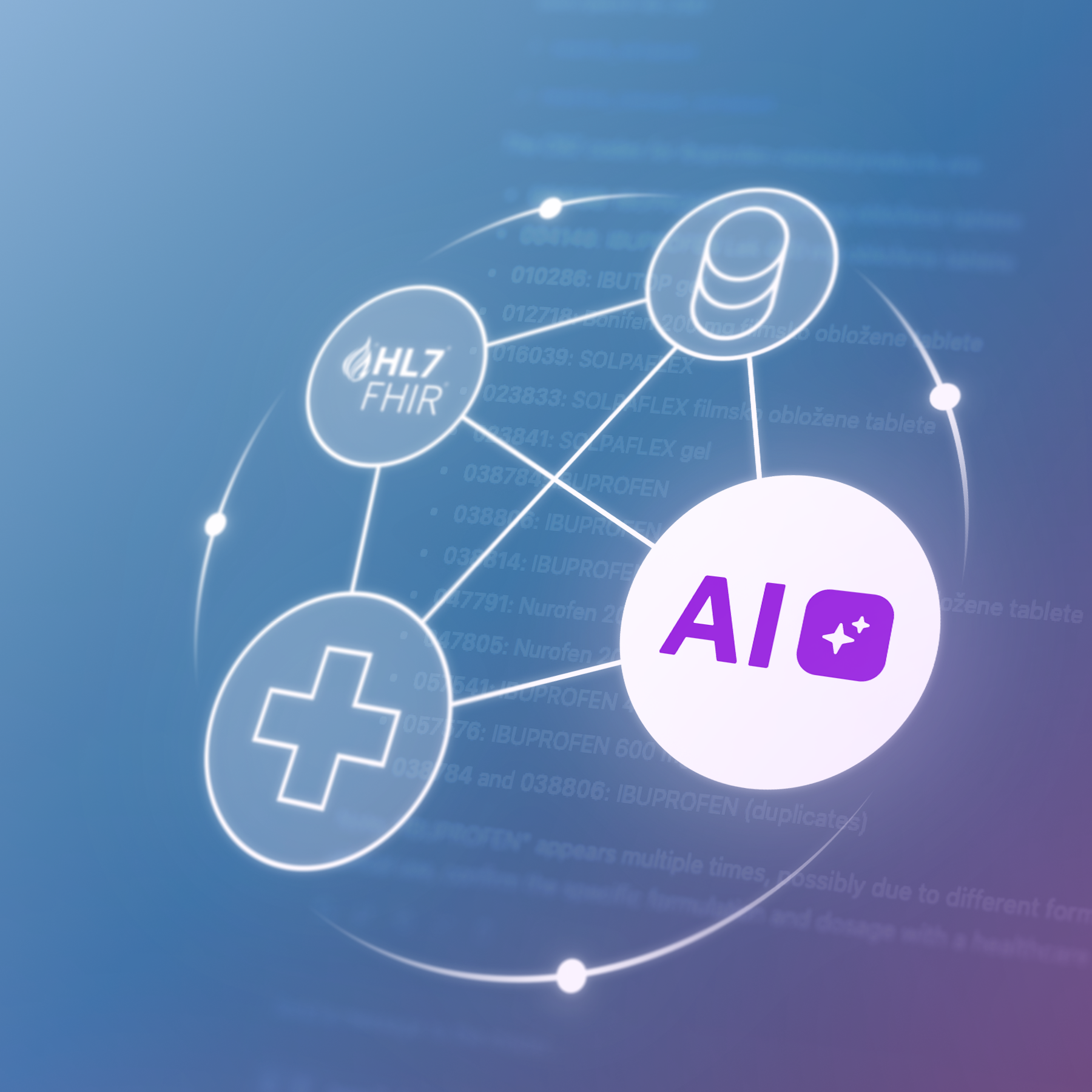
NHS organisations are finally moving beyond data silos and recognising that vendor-neutral repositories are the foundation of the 10 Year Health Plan’s three shifts, particularly the transformation from analogue to digital. The Better platform, based on openEHR, makes the most significant difference here because it allows trusts to own their clinical data properly while still integrating seamlessly with all their existing systems.
Looking ahead, what emerging technologies or healthcare trends do you believe will define 2026, and how is Better positioned to respond to them?
The neighbourhood health centre model and the expanded NHS App will define 2026. Both need flexible, standards-based platforms that can rapidly deploy new digital services across community settings. Better low-code Studio and FHIR capabilities mean trusts can build these neighbourhood digital services quickly without lengthy procurement cycles, which is exactly what the Plan demands.
What are your priorities and aspirations for the coming year, and how will they help shape the future of digital healthcare?
My priority is helping NHS organisations implement the “left shift” to community care by showing them how the Better platform enables rapid deployment of integrated digital services across neighbourhood centres. If we can demonstrate that openEHR and low-code tools genuinely accelerate the Plan’s three shifts whilst keeping data open and reusable, we will prove that vendor neutrality isn’t just ideology, but the practical foundation for sustainable NHS digital transformation.
Read more industry insights for 2026 in our yearly publication: