









“Resilient, redundant systems create an environment where security practices can be applied more consistently and safely, which is especially important when working with healthcare data and clinical systems,” Andraž Hvalica explained.
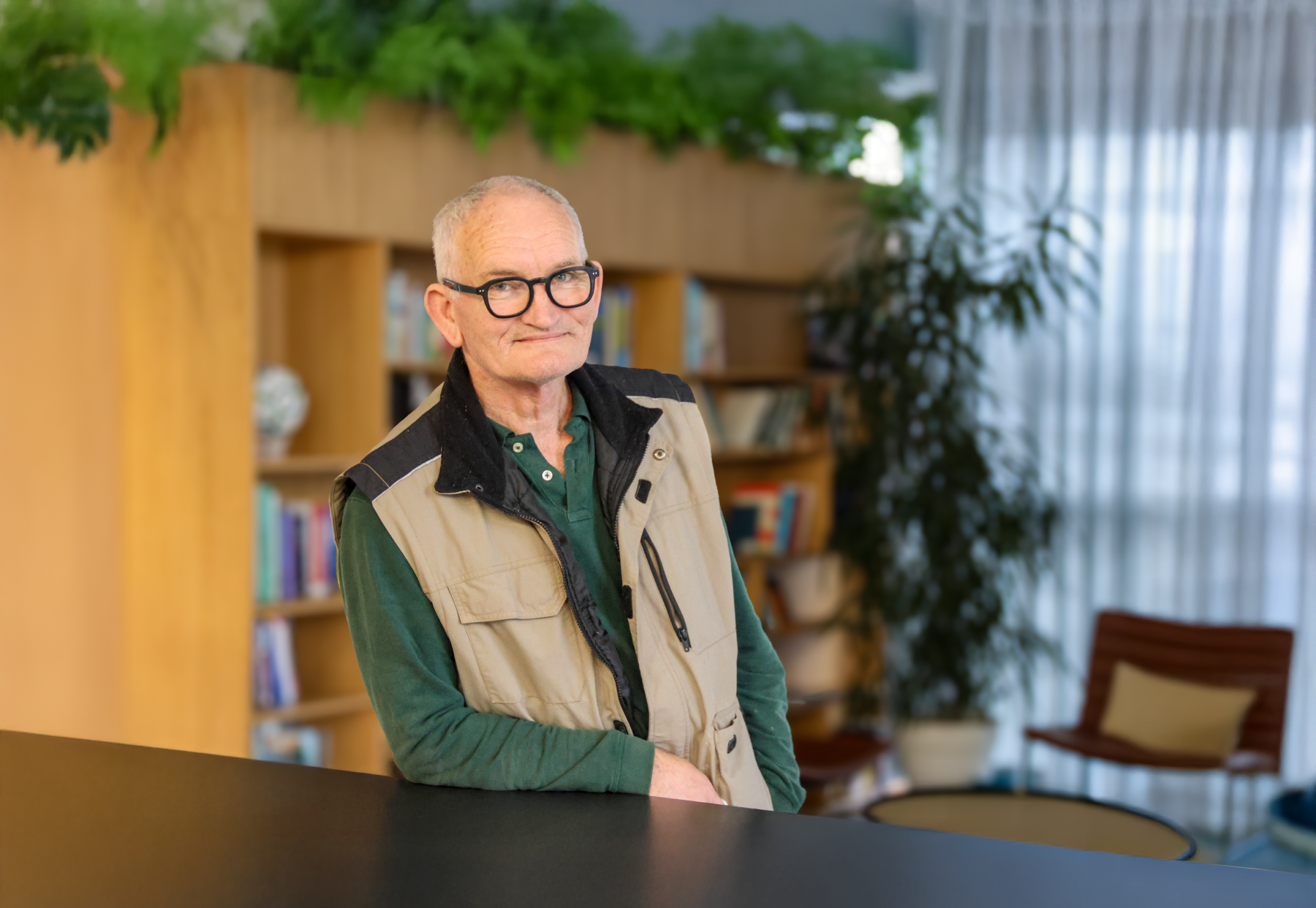
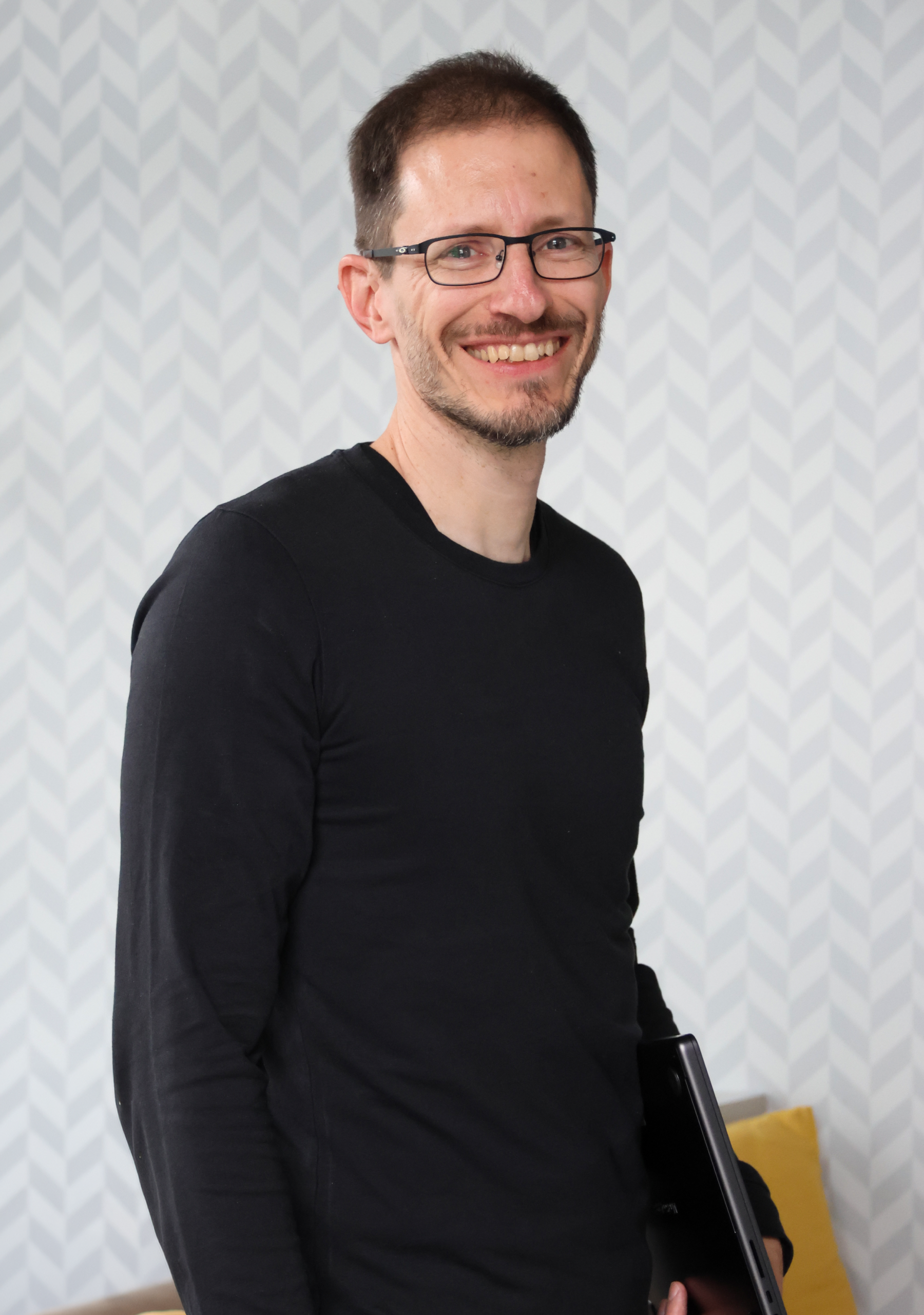
Andraž is a Senior DevOps Engineer who has been with Better for quite some time. He has seen the company evolve, use solutions that later disappeared, and develop the state-of-the-art technology. He works in the DevOps department, which also covers IT and handles the security aspects of our business. And what he is most proud of? “Moving from manual to scripted deployments, from physical infrastructure to AKS clusters, and being part of designing systems that reliably did what they were meant to do,” he said. Andraž is also an aviation enthusiast who enjoys target shooting and climbing. And has two small kids who make his life outside of work more fun. Get to know Andraž in the interview below.
You have been part of Better (and before that Marand) for many years. Do you remember your early days and how your role has evolved since then?
Of course, in some ways, it was similar. Technology has evolved, much has changed, some solutions disappeared, or we stopped using them, like Solaris. But we already had Linux and some form of Windows Server we were trying to avoid, just as we do today. There was no virtualisation, let alone containers. Now, of course, we also have Kubernetes. There were servers with resources we had to manage, and there were monitoring tools – albeit much simpler than what we use today.
The biggest change, however, is that back then, we didn’t have a specialised deployment team. Instead, developers used to do it themselves. The same engineers who developed a solution for a customer usually also deployed it not only to test environments but to production ones as well.
As a Senior DevOps Engineer, your work often happens behind the scenes. What does a typical day look like for you?
At the risk of sounding cliché: there’s no such thing as a typical day. Sure, the morning routine is tea or coffee, checking e-mails, and monitoring alerts. What follows is whatever the priority is in each week, often accompanied by other smaller tasks. In ideal weeks, there is less switching and interruptions of the workflow, which eases focus.
DevOps is often described as the bridge between development and operations. How do you personally see your role within the wider Better ecosystem?
In our case, this description of DevOps only tells part of the story. The team also deals with IT, which means we cover areas that normally wouldn’t fall under “DevOps” but are important, nevertheless. If a colleague has technical issues, especially if it’s network-related, they’ll turn to us for help. We also have to take care of the security aspects, both for our internal infrastructure and the environments we host for our customers.
Healthcare systems require reliability, security, and scalability. What part of that responsibility do you take most seriously in your daily work?
All three are critical in healthcare, but reliability and redundancy form the foundation. When systems are designed to be stable and highly available, many other aspects, including security, become easier to manage. Planned maintenance, patching, upgrades, and even incident response can be performed in a controlled manner instead of under pressure.
Of course, reliability does not replace security. But resilient, redundant systems create an environment where security practices can be applied more consistently and safely, which is especially important when working with healthcare data and clinical systems.
Looking back at your career, what milestones or projects are you most proud of?
That’s genuinely a difficult question — what to pick? A successful deployment and go-live for an important customer? Those environments often had to be renewed only a few years later, as lifecycles in IT are relatively short compared to many other industries. An important certification we achieved along the way? Each of them was critical at a particular moment.
What I’m most proud of, however, is the broader journey: moving from manual to scripted deployments, from physical infrastructure to AKS clusters, and being part of designing systems that reliably did what they were meant to do.
With increasing cybersecurity threats and growing system complexity, what do you think will define a robust healthcare infrastructure in the future?
Threats and failures are inevitable. What matters is how well or how fast we detect problems and recover from them. That includes strong security practices, zero-trust principles, redundancy, and, of course, well-tested recovery procedures.
Technology alone is not enough. Processes, communication, and culture also play a role. As I have said, we also cover IT, not just DevOps area. User awareness is a good example. Educated users are significantly less prone to phishing attacks and other social engineering risks.
AI is becoming increasingly present in software development and infrastructure management. How do you see its impact on DevOps and healthcare technology?
AI will hopefully not replace engineers, but it is already significantly changing how we work. In DevOps, AI can assist with diagnostics, anomaly detection, and pattern recognition. It can dramatically speed up responses when things go wrong. Instead of manually combing through multiple logs and metrics, AI tools can analyse large volumes of data in seconds and highlight what truly requires attention.
In healthcare applications, AI has enormous potential. It can support clinical decisions and improve efficiency, but it also raises important questions around safety, accountability, transparency, and regulation.
Outside of work, you have quite interesting hobbies, from aviation events to a passion for target shooting. What draws you to these interests?
I have always been fascinated by technology and engineering, which is why I enjoy aviation events. One of my favourites is Airpower in Zeltweg. There’s something about the combination of powerful machines and skill that I find very impressive. For me, watching and hearing fighter jets with afterburners lit is an experience that I keep coming back to.
Target shooting appeals to me for a different reason: focus, discipline, and precision. However, after becoming a father, this hobby sadly became far less frequent than I would like. Sports climbing, on the other hand, has become a priority. Given how much of my work is sedentary, staying physically active is essential. Climbing offers both a mental reset and a physical counterbalance to long hours behind a screen.
You are also a father of two little kids. How do you balance your family life, technical precision, and your hobbies?
That depends on who you ask, but let’s say, “like most parents — imperfectly.” Naturally, family becomes the priority. In practice, hobbies usually take the hit more often than not.
What does Better mean to you?
It’s a place where I’ve grown professionally alongside the company’s own evolution. It’s also an opportunity to work on something that genuinely has a positive impact. Our customers operate in healthcare, and the software Better develops supports medical professionals in treating patients. Equally important, it’s a place where I get to work with highly skilled and dedicated people — something that is especially true for the team I’m part of.